Property management
Document maintenance work for an insurance claim
A claim that came apart on the dates inside the files
In 2023 a fraud-investigation attorney walked the insurance trade press through a vehicle claim that failed on its own metadata. The claimant reported a Wednesday accident, and the body shop repairing the car sent in photos of the damage. The data embedded in those files said the pictures were taken the prior Monday, before the reported accident and before the policy was bound. The mismatch fed an examination under oath. The shop’s account of its own paperwork was mundane enough: the invoice said Wednesday because Wednesday was the day someone typed it up. The matter went to the state attorney, who issued a probable cause affidavit to charge two third-degree felonies. That is an allegation, not a conviction, and the write-up does not report whether charges followed or how the case resolved. It is published by Insurance Journal as guidance for claims investigators.
The article’s advice to investigators is to read the timestamp and location data inside submitted photos and check it against the policy and loss dates. It is written for fraud investigators, not for routine claim handling, and whether any particular claim ever gets that treatment is not something you control or can predict. What the case does establish is narrower and still worth knowing: the dates inside your files are readable, and they can be held up against each other. A date that does not line up is a question the file itself will not answer for you.
One number exists. The one you want does not.
Start with what is not knowable. There is no published rate of property claims reduced or denied because the maintenance record was thin. No public dataset reports claim outcomes in that shape, so a figure quoted for it is somebody’s estimate wearing a decimal point.
What does exist is one dated measure of how the people who investigate fraud rate their own readiness. In May 2026 SAS published findings from a fraud survey run with the Association of Certified Fraud Examiners: only 7% of anti-fraud professionals said their organization was more than moderately prepared to detect or prevent AI-driven fraud, and among the insurance respondents, none reported more than moderate confidence. SAS published the finding alongside a warning about synthetic images in claims.
That number is easy to over-read, so read it narrowly. It measures how prepared practitioners say they feel, not how much fabricated evidence is actually arriving. Its respondents are anti-fraud specialists, not the adjusters who handle ordinary property losses, so it says nothing about how a maintenance claim gets processed. It is published by a company that sells detection software, and the release does not state a sample size. What survives all that is modest: the specialists closest to fabricated imagery do not describe themselves as ready for it. It does not tell you how your next claim will be handled. Nothing published does.
Which records stand without your say-so, and which cannot
Set aside how any particular carrier works. You cannot control it and nobody publishes it. What you can test yourself, long before anyone else opens the file, is whether each record in it can be checked without you. That is a property of the record, not a prediction about anybody’s behavior.
A maintenance log in your property software cannot. Neither can a work order marked complete. Neither, mostly, can a photo from a crew member’s phone: the date sits in metadata the file’s owner can rewrite, and an image chosen from a camera roll could have been taken anywhere, any day. None of that makes those records worthless. It makes them your side of the account, which is what they are.
The other kind is rarer than it sounds. It has two properties: the time on it was set by something other than the person submitting it, and a later change to the file is detectable rather than silent. Neither depends on anyone believing the person who filed it.
Laid side by side, the three records commonly in hand after a repair are not interchangeable.
| If it is disputed | A sealed live record | A maintenance log entry | A phone photo from the crew |
|---|---|---|---|
| Who set the time | A server, on submission | Whoever typed the entry | The phone, in editable metadata |
| Live capture | Live camera only, gallery blocked | No; a written entry | A gallery file could be any image |
| Location on it | Device GPS on submission, when shared | Whatever was typed | Metadata GPS, if enabled and unedited |
| Later edits show | SHA-256 chain of custody | No | No |
| Where an outsider gets it | A shareable link to the record itself | Your own log, as you present it | A file you send them |
| Findable in 2 years | Searchable in the Evidence Vault | If the log survived | If nobody cleared the camera roll |
The half you cannot produce later
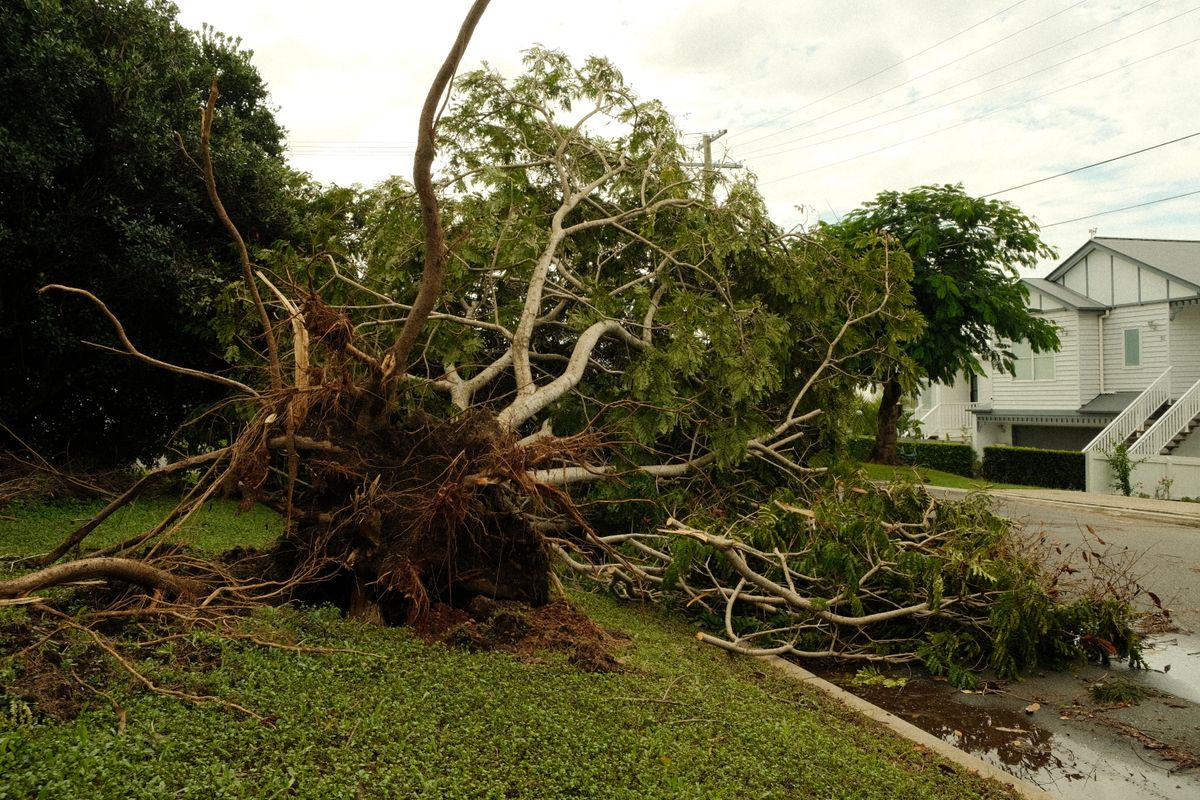
Nearly every guide to claim documentation is about the damage. Photograph the loss. Photograph it from several angles. Photograph it before you touch anything. That is the easy half, and the forgiving one: you can still do all of it after something has gone wrong.
The maintenance history is the half that does not work that way. A record of what was inspected and repaired, when, and by whom is either already in your files on the day of the loss or it is not, and no amount of diligence at claim time creates it. That asymmetry is the argument for treating routine maintenance as a record-keeping job rather than a work-order-closing job.
It is also why the photograph alone carries less than people assume. A roof that failed in a storm and a roof that failed after four years of deferred repairs can look much the same in a picture of the stained ceiling underneath. The image shows a condition. What it cannot show is the history that produced it, and history is the part you have to have written down as you went.
The mismatch, not the photograph
Go back to the case at the top. Nothing about the photographs themselves was the problem. What did the damage was two records disagreeing: the files said Monday, the invoice said Wednesday, and someone compared the two. The body shop’s account of the gap was an ordinary bookkeeping explanation, and the gap fed an examination under oath anyway.
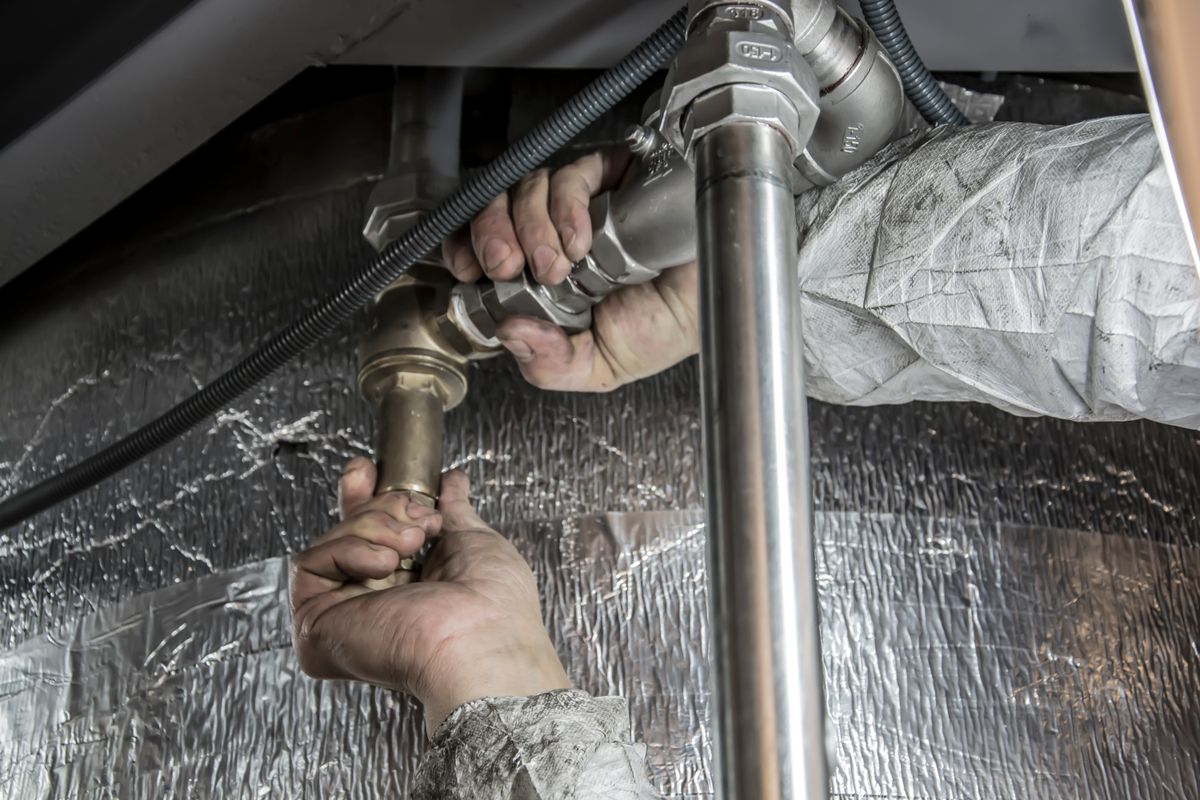
That is the practical risk in an ordinary maintenance file, and it has nothing to do with dishonesty. A vendor invoices on the day they get to the paperwork. A tech writes up three jobs on Friday for a week’s work. Somebody photographs the finished repair from the truck on the way to the next call. None of that is dishonest and none of it is unusual. It does mean the dates in an ordinary maintenance file often describe the paperwork rather than the work.
The fix is not to be more careful with dates. It is to have one record in the file whose date nobody in your company chose. When that record exists, the paperwork built around it can be as approximate as paperwork always is, because the sequence is anchored to something outside the office.
What to keep, and in what form
Six records. The first is the one people skip, and the only one on the list that cannot be created later:
- Condition before the loss. Dated photos of the property in ordinary shape, refreshed on a schedule rather than the week you file.
- The scope. The work order or request that started the job, with what was asked for and when.
- The work itself. The repair captured as it happens, at the property, not written up afterwards from the van.
- Completion. A record that the job finished, which is a different record from one saying it started. Only one of them says the work ended.
- The invoice, matched. A vendor bill that ties line by line to the work you can show, with no orphan charges.
- Retrieval. All of it findable by property and date two years later, by whoever is at the desk then.
Items three and four are the ones a tool actually changes. With LockProof the worker taps a link in a text, with nothing to install. The link opens the camera and the gallery stays blocked, so what lands is a live capture rather than a file chosen from a roll. The server writes the time when the submission arrives, which means it is not a value the phone can be told to report. GPS goes on the record when the worker shares location, and you can require a location reading before a submission is accepted at all. The image bytes, the coordinates, the server time, and the file’s storage location are sealed together with a SHA-256 hash, so any later change to any of them stops matching the seal.
None of this proves the repair was any good, and none of it certifies that the photograph shows what you say it shows. A sealed record establishes a live capture and that nothing has changed since it was sealed. That is a narrow claim, and it is the part you actually control: the record can be opened and read from a shareable link, and a later change to it is detectable rather than silent. Here is a finished example in a sample verified record.
Common questions
How should you document maintenance work for an insurance claim?
Start from your own policy: its duties-after-loss terms set your obligations and vary by carrier. Beyond that, build the file so it covers the loss and the history behind it: dated photos of the damage, the inspection and work-order records that came before it, vendor invoices, and a record showing repairs were completed, not merely started.
Are timestamped photos enough for an insurance adjuster?
Nobody can answer that for every carrier and every claim. What can be described is the mechanism. A timestamp an app prints on a photo is a graphic drawn over it. A date inside the file is metadata its owner can edit. A time written by a server when the file arrives is not a value the sender can set.
Should you take pictures before or after an insurance claim?
Both, and the before matters more than people expect, because photos of the property in ordinary condition are the only ones you cannot go back and take once something has happened to it. After a loss, document the damage before mitigation starts, then document the repair work itself as it is completed rather than writing it up afterwards.
Does a geotagged photo prove where the work was done?
It shows a coordinate the file carries, which is not the same thing. Metadata location can be edited or stripped, so treat it as a claim to check, not a fact. GPS recorded on submission, when the worker shares location, is sealed with the image and cannot be altered after, but it records a device reading, not a verified address.
Will maintenance documentation hold up if a claim ends up in court?
That depends on your jurisdiction and the dispute, and this is general information rather than legal advice. What you control is whether the record is dispute-ready: dated by something other than the person submitting it, and sealed so later edits are detectable rather than silent.