Property management
How property managers prove work to owners

The paperwork was perfect. That was the problem.
Consider a condominium in Miami. For years, its association paid for a maintenance crew — wages going out every pay period, line items the owners could see on a statement. Then a forensic review found that part of the crew, prosecutors say, did not exist. In late 2025 the building’s former property manager was charged with billing the association for phantom labor: timesheets and new-hire paperwork filled in for people, some of them relatives, who never worked there. More than $140,000 went out over roughly seven years for work no one could later confirm was done. These are charges, not a conviction, and the manager is presumed innocent. But look at how it surfaced — not from an owner reading the monthly statements, which balanced, but from an audit long after the fact. The record said the work happened. Nobody could show that it had.
A statement is a claim, not a proof
That is the quiet problem in how field work gets reported to the people who own it. The owner knows the building by report. The manager sends a statement, and the statement shows money moved. It does not show the work happened. For most of the history of this business there was no alternative — the owner could not be everywhere, and trust filled the gap.
The trouble is that trust is not evidence, and the honest manager is the one who suffers most from it. When an owner gets nervous, the honest manager has nothing better to hand over than the same statement a dishonest one would send. They did the work. They just cannot show it.
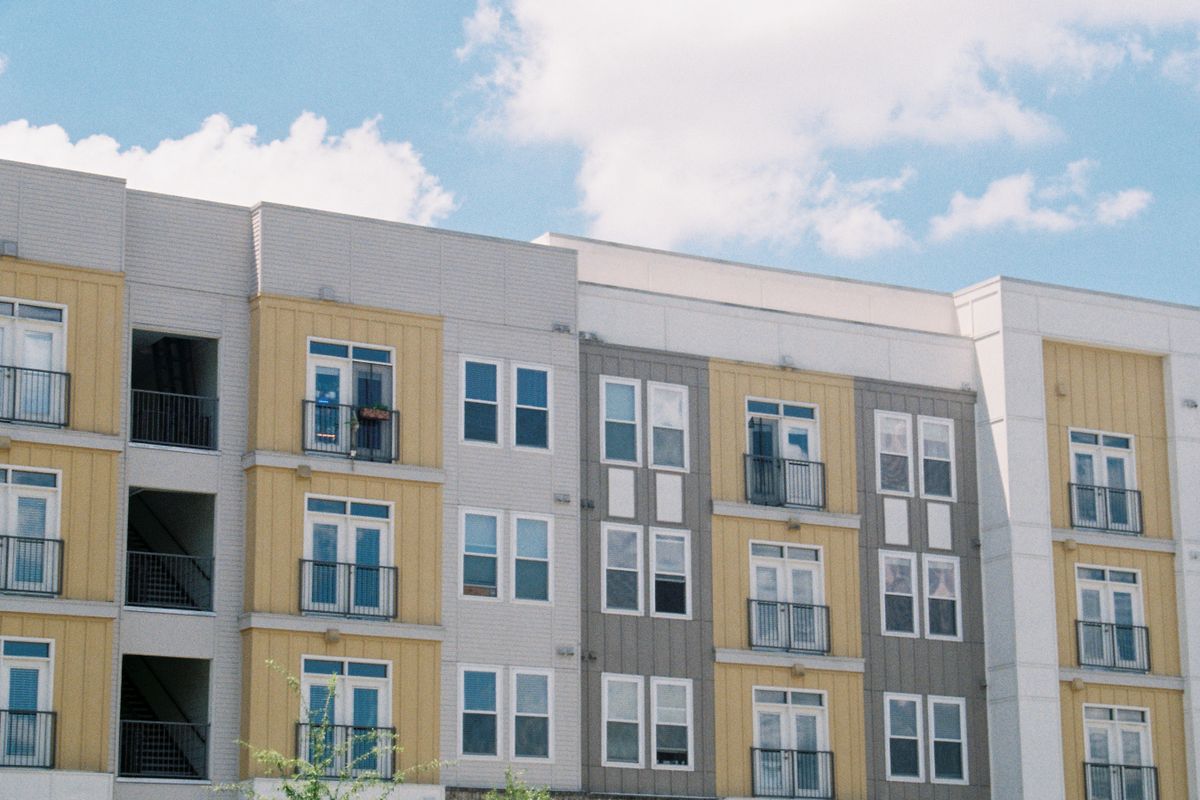
What changed is that the work can be shown
The gap held for a long time because there was no cheap way to close it. That is what changed. The work can now be shown, not just reported. A crew member gets a text, taps the link, and the camera opens at the unit; the photo comes back with a server-set time — plus the location when the worker shares it — sealed so it cannot be quietly changed, and filed by property and date. The owner does not get a longer statement. They get to watch the turn happen. Even the law is drifting this way: as of 2025, California requires a landlord to photograph a unit before move-in and after move-out when they deduct from a deposit (AB 2801) — documentation is turning from a courtesy into the baseline.
A report and a proof record are not rivals. They answer different questions. One shows the money. The other shows the work.
| A proof-of-work record | A monthly report | |
|---|---|---|
| Shows money moved | No — that is the report’s job | Yes |
| Shows the job was done | A live photo at the site | A line item you trust |
| When and where it happened | A server-set time, GPS when shared | A typed date |
| The owner can check it | Tamper-evident, on a shared record | By trusting the sender |
| Ready when the owner asks | Already filed by property and date | Write a longer report |
Say an owner emails on a Tuesday
Say an owner three states away emails on a Tuesday, a hypothetical but a familiar one: did the third-floor units actually get turned before the new leases started? A manager with only a statement writes back a careful paragraph and hopes it lands. A manager with records sends four photos, each tied to a unit, a place, and a sealed time, and the question is closed before lunch. Same work, done by the same honest crew. The only difference is whether it can be shown.

Getting credit for the work
The work was always real. What is new is that it no longer has to live in a memory or a line on a statement. For the manager who actually does the job, a record like that is not overhead and not surveillance — location is only asked for on submission, never in between. It is finally getting credit for the work, in a form the owner can see without being asked to simply believe. See what one finished record looks like in a sample verified record, or how the same loop runs across a property management portfolio.
Common questions
How do property managers prove work to owners?
A financial report proves the money moved; it does not prove the job was done. To show the work itself, property managers capture a live photo at the site with a server-set time — and GPS when the worker shares location — filed by property and date. The owner opens a shared record and sees the turn or repair happen, instead of trusting a line item.
Is a monthly statement enough for owners?
A statement is a claim: it shows what was billed, not that the work behind it happened. An honest manager and a dishonest one can send the same statement. A proof-of-work record adds what the statement cannot — a dated, located photo of the actual job, so the owner has something to check, not just believe.
How can an owner check that a unit turn or repair actually happened?
Share a single record for that job: a live photo taken at the unit and a sealed time — plus the GPS location when the worker shares it — held in a tamper-evident record filed by property and date. The owner opens the link and sees it, without a phone call or a longer report to chase down.
Does proving work to owners mean tracking the crew all day?
No. The phone asks for location only when the worker submits a photo, not continuously, so there is no always-on app following the crew between jobs. It verifies the work, not the worker’s whereabouts — the owner gets proof the job was done, not a map of someone’s day.
What do property managers show owners during an invoice dispute?
Pull the record for the job in question and share it: the live photo, the sealed time, the event history, and the GPS location when the worker shared it, filed by property and date. It is dispute-ready, so a questioned invoice meets a record instead of an argument.