In July 2026, the Office of Inspector General at HHS, the federal health department, published its audit of Colorado’s electronic visit verification system for Medicaid personal care. Auditors drew 160 claim lines from the state’s 2024 fiscal year. Ninety-one of them had at least one EVV compliance issue. Thirty-nine were at least partly unallowable.
What the auditors counted
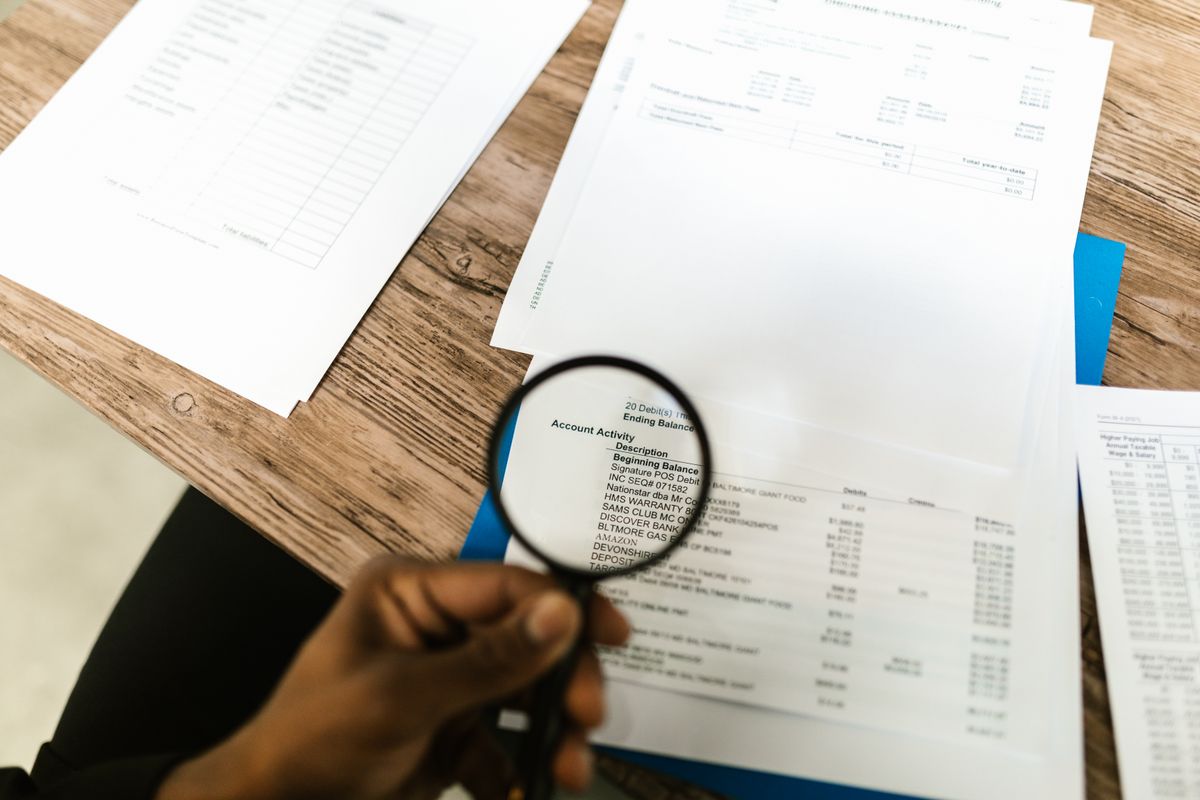
The OIG report on Colorado (A-07-24-03260) sorts its findings into two lists. The first is about the visit records themselves. Some claim lines had more than one problem, so the counts overlap:
- 62 lines included visits entered into the EVV system by hand, which the report says could not be electronically verified;
- 17 lines included visits that were never entered into the EVV system at all;
- 16 lines had no service location in the EVV record;
- 16 lines had GPS exceptions, a check-in or check-out away from the client’s home, that had not been reviewed and corrected.
The second list is about the claims. Background screening for the attendant was not documented on 23 lines; the units claimed were more than the attendants’ timesheets supported on 14; the rate paid was above the state’s approved rate on 8; a required support plan was missing on 4. The report also found attendant names on some EVV records that did not match the names on the timesheets, and reason codes used too often or wrongly.
From the sample, OIG estimated that about 52 percent of the 1.3 million personal care claim lines in the period did not meet federal and state EVV requirements, and it recommended that Colorado refund an estimated $8.0 million in federal money and work out the status of a further $45.7 million with the federal Medicaid agency.
What the numbers do not say
They do not say fraud. This was an audit of the state agency, not of any one home care agency, and “unallowable” means a claim did not meet the requirements, not that anyone lied. Colorado disagreed with most of the findings and recommendations. The 52 percent is an estimate from a sample, with a stated confidence range in the report’s appendix.
What the numbers do show is where a visit record gets weak. Every issue on the first list is a gap in what was recorded at the visit: a time typed in later, a visit never entered, a location left blank, an exception left unexplained. One provider told the auditors that GPS exceptions were its most common issue. Each of those is easier to answer on the day than months later, when a sampled claim lands on someone’s desk.
When the audit answer became part of the case
In September 2026, the Pennsylvania Attorney General announced the sentence of the owner and manager of an Erie County home care agency that ran several shared-care homes. She had billed Medicaid for services that were not provided and misstated her caregivers’ qualifications. When the state Department of Health audited the agency, she falsified records to hide short staffing, missing mandatory training and skipped health screenings, and created false medical and financial paperwork to support the claims. She pleaded guilty to Medicaid fraud, tampering with public records and neglect of a care-dependent person, and was sentenced to 11 to 23 months, six years of probation and more than $1.8 million in restitution. She also lost her nursing license.
The Attorney General described two stages: false reports first, then falsified records once she knew the agency was being audited and investigated. Falsifying records after an audit starts can create a separate criminal problem. Records kept as the visits happened keep their order and are easier to explain than ones added once an auditor is asking.
Where an agency’s file usually comes apart
The Colorado findings point to six records worth checking in your own files each month. They are questions to ask of your own records each month, not a compliance program, and your state’s EVV rules and your counsel decide what each one requires of you.
Colorado audit findings, and the record each one asks for
| What OIG flagged | Lines in the sample of 160 | The record to keep for it |
|---|---|---|
| Visits entered by hand | 62 | A reason for each manual entry, written when it was made |
| Billed visits with no EVV record | 17 | A monthly match of every claim to an EVV visit |
| No service location | 16 | A location on every visit, or the alternate location noted |
| GPS exceptions not reviewed | 16 | Each exception reviewed and explained as it happens |
| Background screening not documented | 23 | Screening records on file for every attendant |
| Units claimed beyond the timesheets | 14 | Billed units matched to signed timesheets and the plan of care before the claim goes out |
Both cases point the same way: document an exception when it happens. An explanation added only after an auditor asks will draw more questions, and a record changed after the auditor asks can lead to charges, as it did in Pennsylvania. Colorado’s own system, as the report describes it, already asks for a reason code with every change to EVV visit data; the habit is to fill that reason in honestly, on the day.
What LockProof is, and what it is not
LockProof is not an EVV system, and it does not meet any state’s EVV requirement. Keep your EVV system and its rules exactly as they are.
What LockProof, field work verification software for agencies in home care and other field work, adds is a second record of each visit. With Visit Mode, the caregiver opens a link for a check-in photo and, at the end, a check-out photo; each is shot in the phone’s camera, live, and picking from the photo library is switched off. Each photo’s time is set by our server as it arrives, not by the phone, and the record shows how long passed between the two. The location goes on the record when the caregiver shares it. Each record carries a SHA-256 fingerprint, so an edit made afterwards shows, and no customer action deletes a record. The Evidence Vault pulls a site’s records for a date range into a dossier you can print or export.
A photo does not show who held the phone or whether the care was good. Whether an auditor gives such a record any weight is up to the auditor. If a visit in the sample is questioned, the office can put that photo record, with its server-set times, beside the EVV record. See how home care agencies set it up, read what an agency can show beyond EVV when a visit is questioned, or check your own state’s rules in EVV requirements by state. For one state’s threshold on edited visits, see Pennsylvania’s manual-edit rule.
The full Colorado report (PDF) is mostly about the state, not about agencies. For an agency, the lesson is short: explain every exception the day it happens, so it is already on file when an audit comes.
Common questions
What is EVV audit defense?
It is being able to show, for any visit an auditor picks, that the billed service matches a verified visit: an EVV record for the visit, units within the plan of care, the right attendant’s name on the timesheet, and a documented reason for every manual entry or location exception. The work happens before the audit, not after.
What do auditors look for in home care EVV records?
In its 2026 audit of Colorado, the federal Office of Inspector General flagged visits entered by hand, billed visits with no EVV record, records with no service location, and GPS exceptions left unreviewed. On the claims side it flagged missing background screening records, units claimed beyond what timesheets supported, and rates above the approved rate.
Can you correct EVV records after an audit starts?
Corrections follow your state’s rules, so ask your state program or your counsel before you change anything. What the Pennsylvania case shows is the line not to cross: an agency owner who falsified records once the state audited the agency pleaded guilty to charges that included tampering with public records as well as Medicaid fraud.
Is LockProof an EVV system?
No. It is not an EVV system and does not meet any state’s EVV requirement. It keeps a separate record: a check-in photo and a check-out photo through a live camera, each timed by our server, plus the caregiver’s location when they share it, sealed so a later change is detectable.